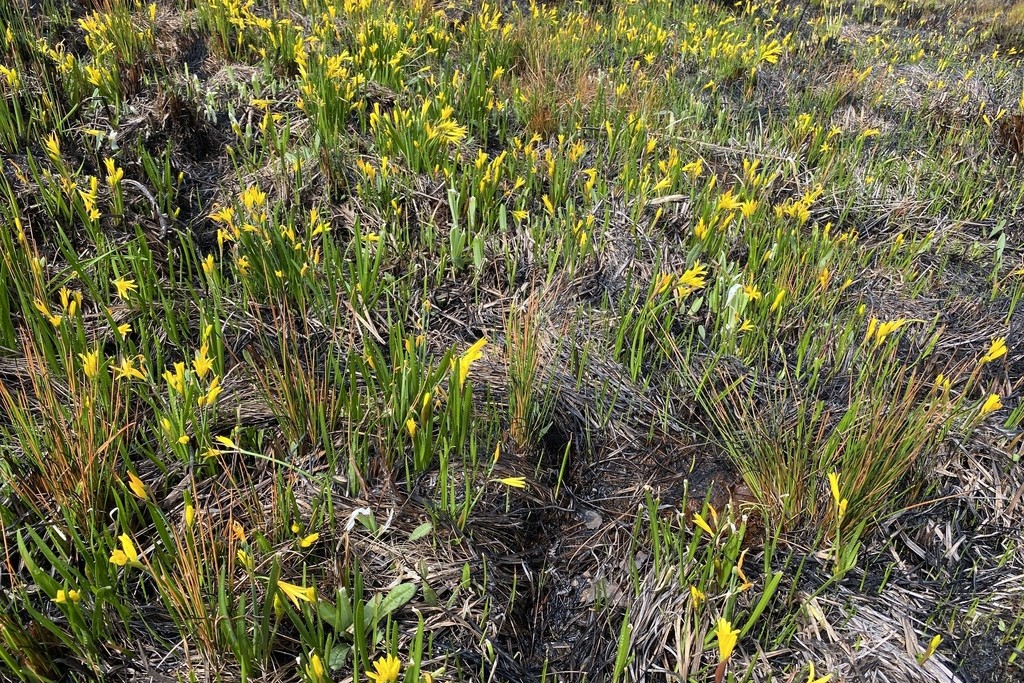
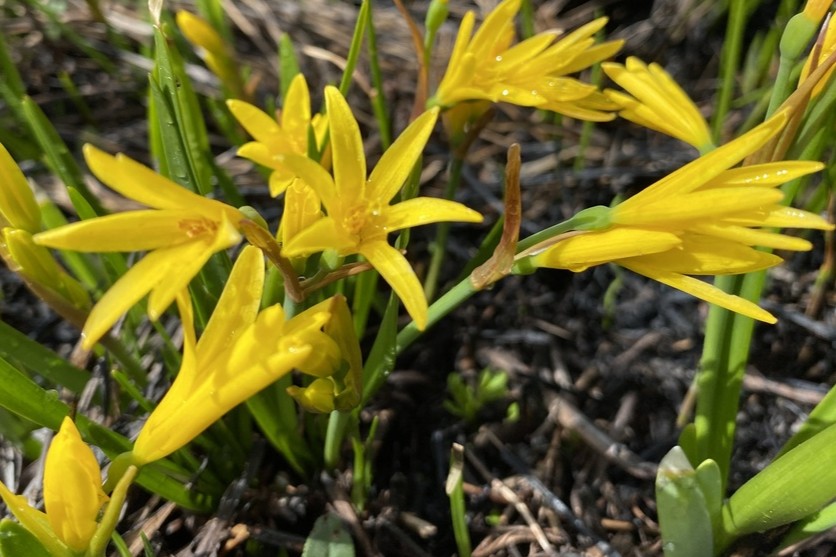
Cyrtanthus breviflorus is a hardy, perennial bulb that forms clumps and reaches 10–30 cm in height. It has strap-shaped, shiny green leaves. It produces scented, bright yellow, star-like flowers on long stalks throughout the year, with best displays during spring and summer. The flowers are bell-shaped, with 1–10 blooms forming per stem. Flowering is triggered by grassland wildfires, and the plant is often among the first to flower after fire.
It is a versatile garden subject that can be planted in marshy areas, borders, grassland gardens, or containers.
Plant Details
Height
10 - 30 cm
Thorns
Absent
Soil
Loamy, compost-rich, well-drained; tolerates dry or damp soils
Pairs well with other grassland species: Watsonia, Dierama, Scadoxus, Kniphofia, and indigenous grasses.
Caterpillars
Not available
Associations
Descriptions
Insects: Flowers attract and support a variety of pollinating insects, especially bees and other pollen/nectar feeders.
Soil: Thrives in loam and compost-rich soils; contributes to grassland resilience after fire and disturbance.
Other Flora: No consistent parasitic associations; grows well with other grassland bulbs and wildflowers.
Wildlife: Seeds dispersed by wind; flowers provide nectar for insects, indirectly benefiting birds.
Ecosystem Services: Rapid post-fire flowering, benefiting pollinators. The persistent bulbs help stabilize soil and restore grasslands.
Flowers and fruits
Scented, yellow, trumpet-shaped flowers attract insects; seeds not specifically described.
Birds
No direct associations
By Seeds:
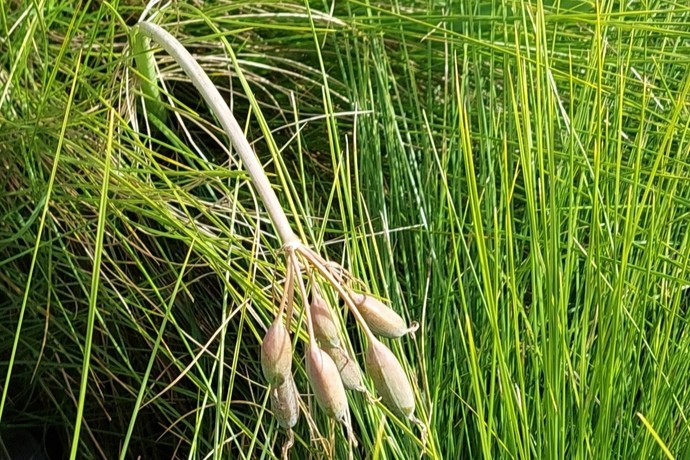
Collect seeds when capsules are dry and ready to split. Sow in early spring in well-draining, sandy-acid compost (50:50 mix). Moisten soil before sowing and lightly cover with the prepared soil medium. Germination occurs in 2–3 weeks. Seedlings should be grown on for at least two years before transplanting.
By Cuttings:
Divide offsets from mature bulbs in spring after flowering. Plant immediately in well-draining soil, water moderately and avoid waterlogging.
Traditional Uses
Historical Uses: The bulb is edible and used as a protective charm in traditional practices.
Medicinal Uses: Bulb used to treat intestinal worms. Sometimes used locally as a love charm.
Toxicity: Contains alkaloids typical of Amaryllidaceae; moderate use is safe, excessive use is discouraged.
Pharmacological action: Contains lupane triterpenoids and alkaloids; limited but promising laboratory research.
Livestock & Fodder: Not a common fodder plant but not poisonous for livestock in small quantities.
Cultural Significance: Used in traditional medicine and charms in several cultures.
Other: Cyrtanthus breviflorus is notable for stunning yellow post-burn blooms, making a dramatic garden display and supporting insect life, with stable populations across subtropical Africa.