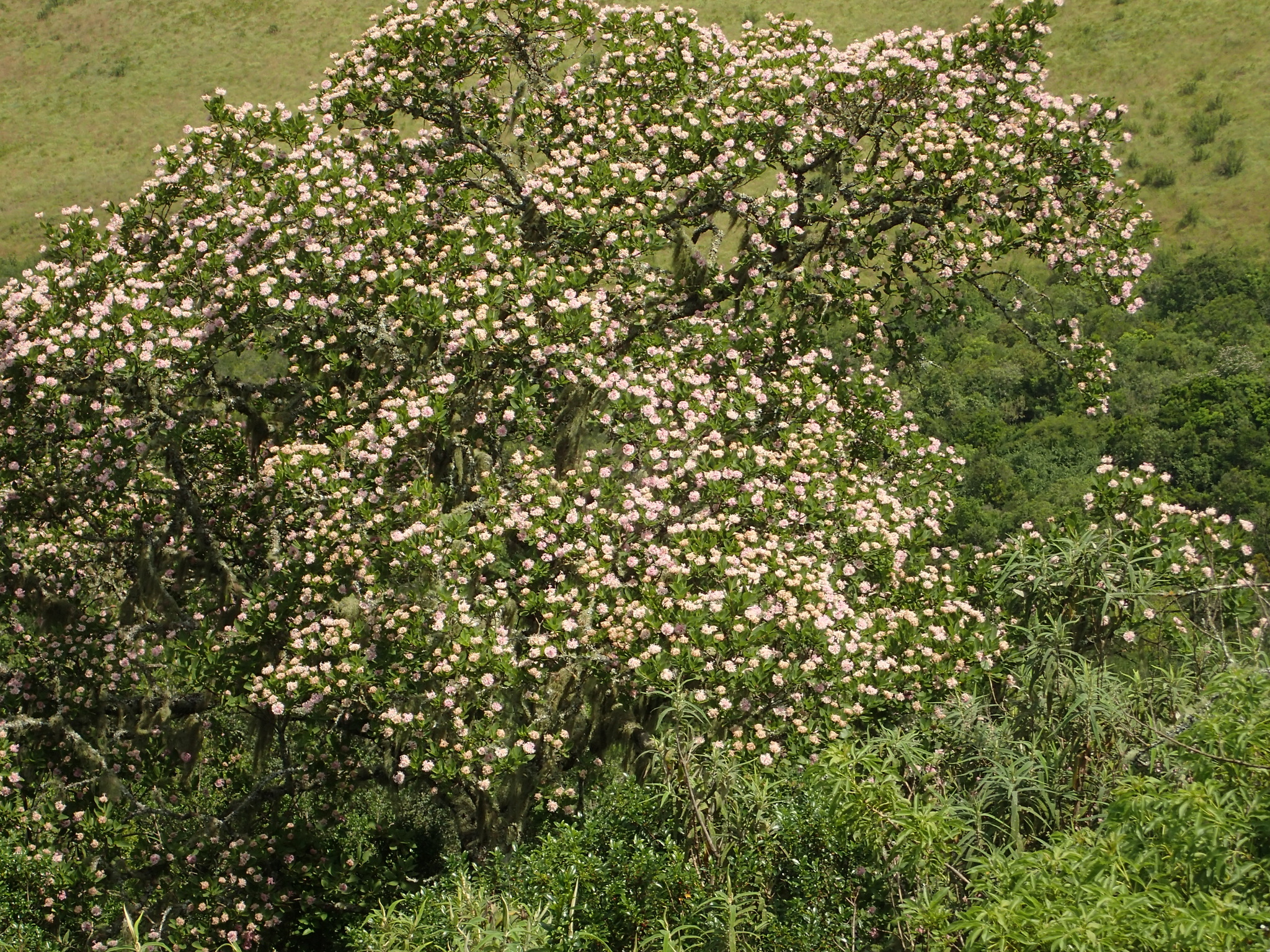
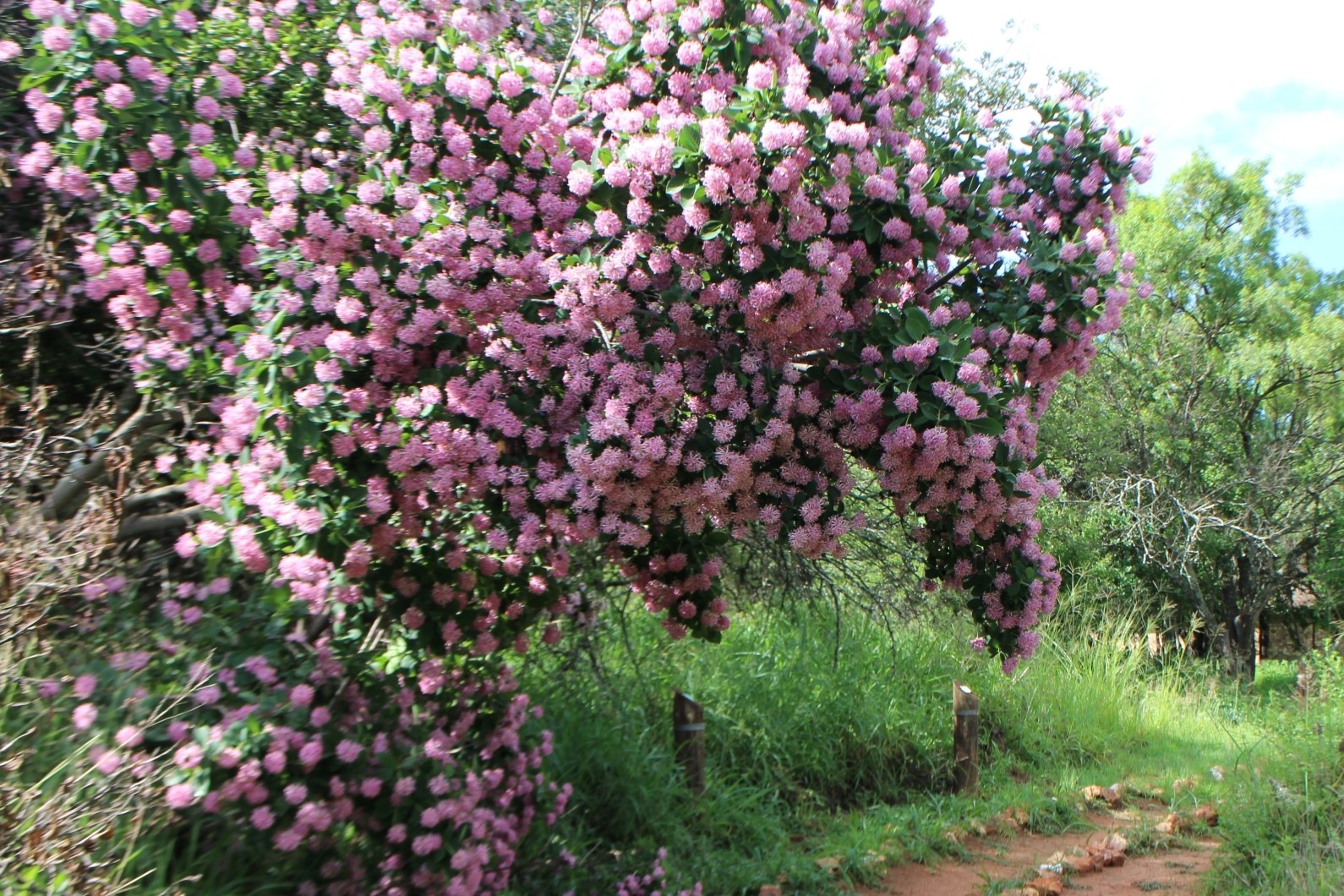
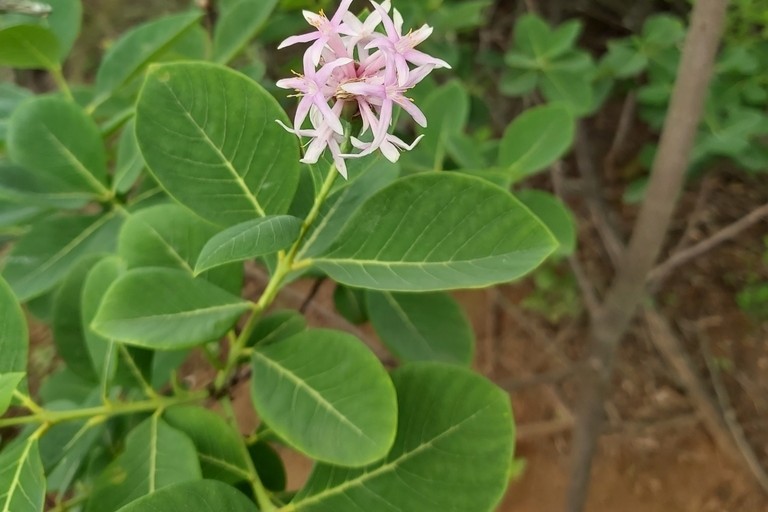
A small tree (usually 4–6 m, occasionally up to 8 m in the wild) with a neat, rounded crown and either single or multi-stemmed architecture. The smooth, brownish stems are speckled with corky spots. Leaves are simple, blue-green above and paler below, with conspicuous yellow veining and a waxy texture. The tree is deciduous for a short period in cooler climates. In early summer (October–December), the tree is covered in rounded clusters of bright pink, fragrant “pompon” flowers at branch ends, making it visually spectacular for several weeks. It will start flowering when young. With the non-aggressive roots it makes an ideal tree for small gardens and containers.
Plant Details
Height
4 - 8 m
Thorns
Absent
Soil
Adaptable to sandy or loamy soils, but prefers compost rich, well-drained soils. Helps stabilize garden margins and embankments due to fast growth and root structure.
Adaptable to sandy or loamy soils, but prefers compost rich, well-drained soils. Helps stabilize garden margins and embankments due to fast growth and root structure.
Soil
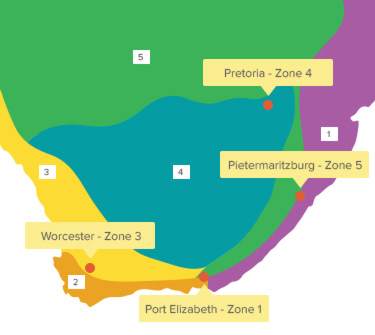
Prefers full sun, but thrives in light semi-shade. Grows well on forest margins, valley slopes and hillsides.
Aspect
Frost hardy, especially once established. Saplings should be protected in the first year.
Frost Tolerance
Drought hardy once mature, making it well suited to a range of gardens and restoration projects.
Pairs well with other indigenous species such as Buddleja, Combretum, and Pavetta in woodland or mixed shrub gardens.
Caterpillars
Not available
Associations
Descriptions
Insects: The copious, nectar-rich flowers attract bees, butterflies, and other pollinating insects, making the tree a hub of insect activity when flowering. No specific larval host data are reported.
Soil: Prefers rich, well-drained soils; helps stabilize garden margins and embankments due to fast growth and root structure.
Other Flora: No known association with parasitic or epiphytic plants.
Wildlife: Insectivorous birds are drawn to the tree during flowering, benefiting from the surge in insect activity. Dried bracts and seeds may persist on the tree through winter, feeding local wildlife.
Ecosystem Services: Used in urban landscapes for shade, habitat creation, and soil stabilization.
Flowers and fruits
Flower clusters feed bees, butterflies, and other insects with nectar and pollen in early summer.
Birds
Attracts insectivorous birds, especially during flowering periods. Also provides perching and occasional foraging opportunities.
By Seeds:
Collect dry seed a month or two after flowerings. Sow in spring or early summer in trays of moist, sandy loam. Expect germination within 3–6 weeks. Seedlings grow quickly and reach flowering size in 3–5 years.
By Cuttings:
Rarely used; success is higher with fresh seed propagation.
Traditional Uses
Historical Uses: The bark yields fibrous material used for rope and thread by indigenous people.
Medicinal Uses: No documented traditional medicinal uses.
Toxicity: Not listed as toxic, but general precautions are advised for ornamental plants.
Livestock & Fodder: Not generally browsed; bark and wood valued for crafts.
Cultural Significance:
Horticultural significance: Highly esteemed as a garden and street tree for its ornamental beauty and South African identity. Its flowering display is among the most spectacular for indigenous southern African trees. It is resilient to disease, but may rarely suffer from “pink disease” (Erythricium salmonicolor); this is managed by pruning infected branches and applying fungicides.