Combretum erythrophyllum

Combretum erythrophyllum (Burch.) Sond.

River Bushwillow

Afr

Riviervaderlandswilg, Rooiblaar, Rooiblad

isiZulu

umbondwe, umdubu-wehlandze, umhlalavane

IsiXhosa

umdubu

Description

Family:

Combretaceae

Order:

Myrtales

Description

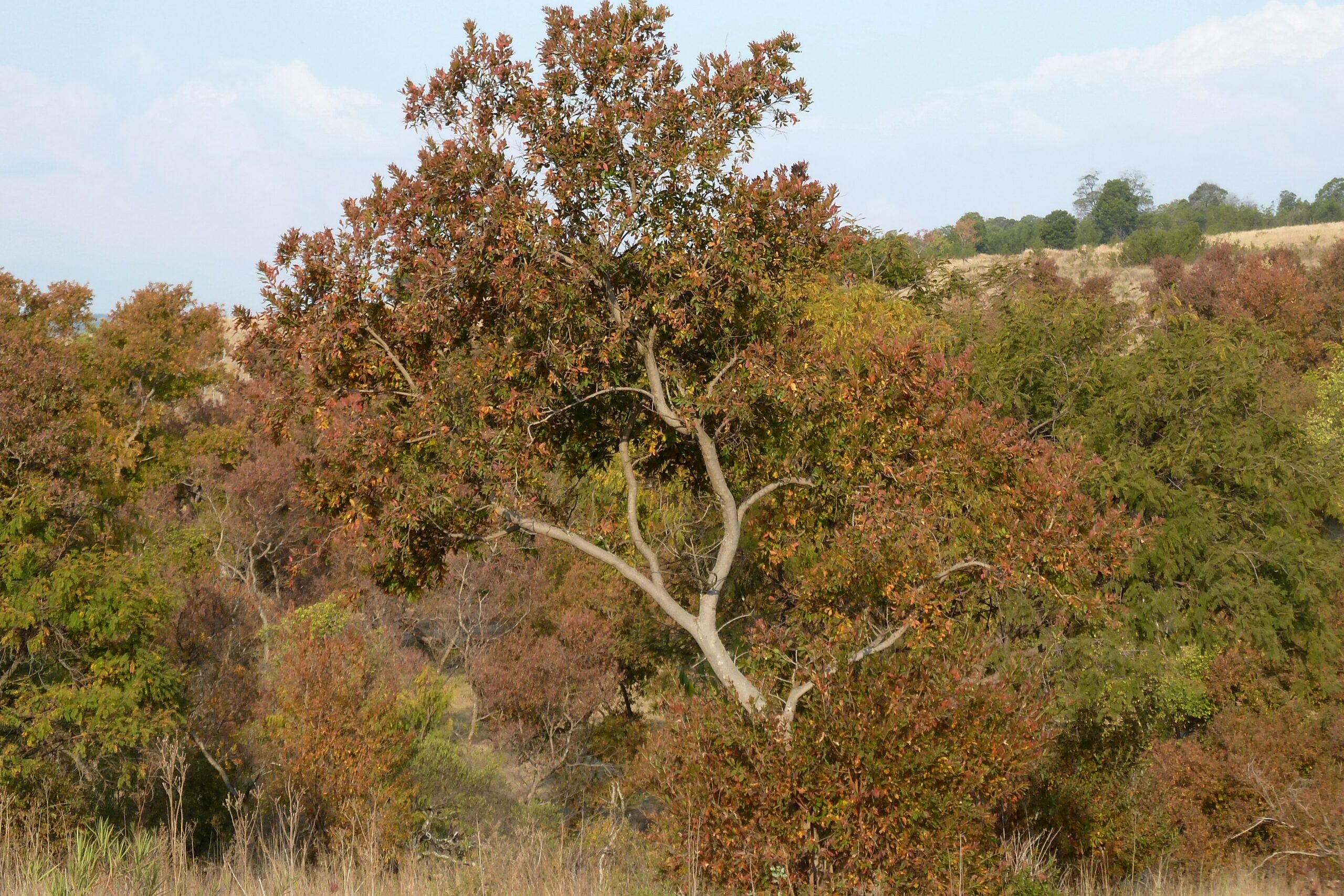
Medium to large deciduous tree with spreading crown.

Leaves simple, ovate, dark green turning red in autumn.

Flowers small, yellowish, in spikes.

Fruits four-winged samaras. Important for browsing and wildlife.

Plant Details

Height

8 - 15 m

Thorns

Absent

Soil

Prefers well-drained sandy or loamy soils.

Moderate

Growth Rate

8 - 15 m

Size

50 - 70 years

Lifespan

Flower Colour

Flowering Season

, , , ,

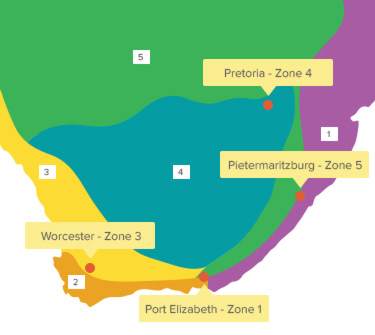
Horticultural Zones

6-7

pH

Prefers well-drained sandy or loamy soils.

Soil

Full sun

Aspect

High

Frost Tolerance

Moderate

Drought Resistance

Link to PlantzAfrica.co.za

Distribution

, , , ,

Companion Plants

Often found with Acacia, Terminalia, and Combretum species.

Caterpillars

Moths: Ascotis reciprocaria, Prasinocyma sp., Metajana marshalli, Rhinobombyx cuneata, Goniocalpe heteromorpha, Neaxestis acutangula, Desmeocraera vernalis

Associations

Descriptions

Wildlife Supported

Primates: Vervet monkeys use the tree for shade and occasionally forage for insects in bark crevices

Large Mammals: Giraffe browse on leaves and young shoots. Elephants feed on leaves and branches. Bushbuck regularly browse the foliage. Nyala feed on leaves, especially in riparian zones.

Small Mammals: Rodents use fallen leaves and bark for nesting material. Bats roost in dense canopy and feed on insects attracted to flowers.

Reptiles:  Geckos & lizards shelter in bark crevices and feed on insects around the tree.


Flowers and fruits

Flowers provide nectar and pollen to a wide range of pollinators and flower feeders.

Fruits are dispersed by wind and animals.

Birds

Provides food and shelter for birds.

Birds: Southern black tit  – tap fruit to extract larvae. Pied barbets eat seeds despite their toxicity.

Various insectivorous birds feed on insects drawn to flowers and bark.

By Seeds:

Collect seeds from mature fruits. Sow fresh for moderate germination rates.

By Cuttings:

Semi-hardwood cuttings root moderately well.

Traditional Uses

Traditional Uses:

Wood:

General-purpose timber: The wood is coarse-grained, tough, and easy to work with. It has a yellow-brown hue and is used for furniture, ornaments, rafters and beams in buildings, and for household items such as grain mortars, cattle troughs, and utensils. Firewood: Though not top-tier, it serves as average-quality fuel. Varnish production: Damaged stems exude a sticky, elastic gum used as a non-cracking varnish for pottery and furniture. Dyeing & tanning: Roots yield a rich, dark brown dye used in tanneries to tan hides.

Other Cultural Uses:

Gum as food adulterant: In some communities, the gum is added to food (not recommended). Ornamental value: Dried fruits are used in floral arrangements and as decorative items in homes.

Shade & landscaping: Planted as a shade tree in gardens and streets due to its beautiful seasonal foliage and hardy nature.

Animal care: Seeds are used as an anthelmintic for dogs (this is not advised as it works due to the toxicity of the seeds).

Traditional varnish: Gum from stems is applied to pottery to seal cracks and prevent breakage

Traditional Medicinal Uses: Venereal diseases – Leaf and root infusions used as treatment and prophylactic. Infertility -Bark decoctions traditionally consumed to improve fertility. Labour pains & childbirth: Seed and root decoctions taken during pregnancy to ease delivery. Abdominal pain & constipation: Leaf infusions and root decoctions used as purgatives. Coughs & respiratory issues: Bark and root preparations used to relieve symptoms. Leprosy & skin sores: Bark and root decoctions applied or consumed.

Caution: Several of the abovementioned practices have been linked to severe adverse effects including vomiting and confusion. The use of the plant in a cultural setting illustrates how potentially toxic plants are commonly used, and without adequate medical training users are often ill-equipped to recognise the toxic effects of traditional remedies.

Bioactive Properties: Antibacterial & antifungal -effective against Staphylococcus aureus, Candida albicans, and others. Anti-inflammatory & antioxidant– High phenolic and flavonoid content. Cytotoxic & apoptotic possible cancer-related applications.

Plant Details

Height

Description

Thorns

Description

Leaves

Description

Size

Growth Form

Size

Size

Size

Lifespan

Size

Flower Colour

Size

Flowering Season

Size

Horticultural Zones

Size

pH

Size

Soil

Size

Aspect

Size

Frost Tolerance

Size

Drought Resistance

Description

DESCRIPTION

Height

DESCRIPTION

Leaves

DESCRIPTION

Thorns

DESCRIPTION

BSS

Ecoscore

Host plant Nectar Grazing

Link to PlantzAfrica.co.za

View

Distribution

Companion Plants

Description

Caterpillars

Associations

Leaves

Leaves

Flowers and fruits

Leaves

Birds

Leaves

Mammals

Leaves

By Seeds:

Leaves

By Cuttings:

Leaves

Traditional Uses

traditional uses