Coleus neochilus

Coleus neochilus (Schltr.) Codd

Smelly Coleus, Blue Coleus, Lobster Flower

Afr

Rotstuinsalie

isiZulu

IsiXhosa

Description

Family:

Lamiaceae

Order:

Lamiales

Description

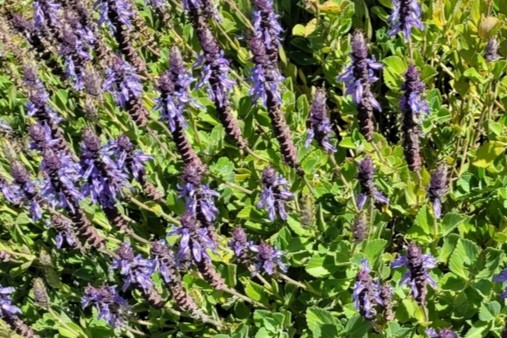
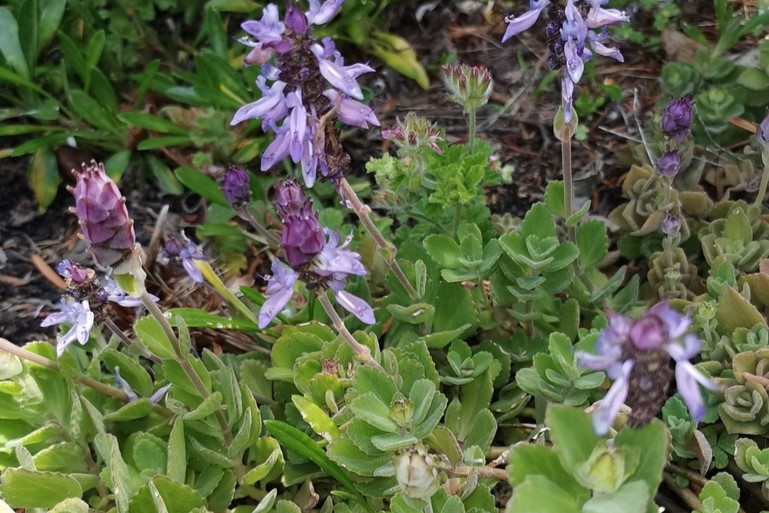
Coleus neochilus is a hardy, aromatic, succulent perennial forming a dense, low groundcover 20-50 cm high and up to 60 cm wide.

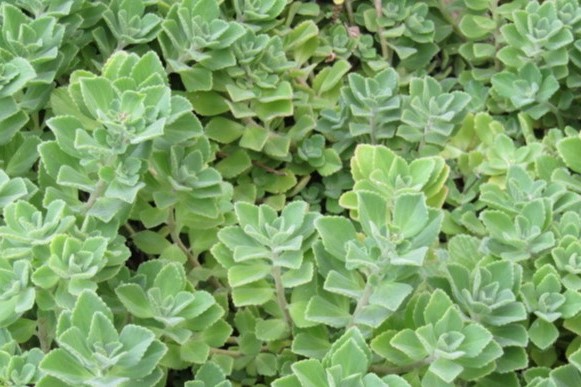
The leaves are succulent, grey-green, obovate, finely hairy, and sticky to the touch with crenate margins.

Deep blue to purple flower spikes are produced from spring to autumn.

The plant is drought-resistant, thrives in full sun or semi-shade, and is well adapted to dry, rocky, or sandy sites. Tolerates mild frost.

Plant Details

Height

20-50 cm

Thorns

None

Soil

Prefers loam or sandy, well-drained soils

Fast

Growth Rate

20-50 cm

Size

Perennial

Lifespan

Flower Colour

Flowering Season

, , , ,

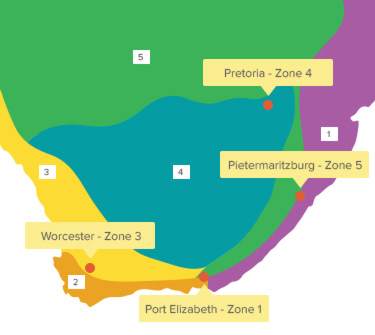
Horticultural Zones

Not specified; tolerates a range of soils

pH

Prefers loam or sandy, well-drained soils

Soil

Full sun to semi-shade

Aspect

Tolerates light frost

Frost Tolerance

High

Drought Resistance

Link to PlantzAfrica.co.za

Distribution

, , , ,

Companion Plants

Suitable for mixed borders, rockeries, and water-wise gardens.

Caterpillars

Moths: Ctenoplusia furcifera, Ctenoplusia limbirena, Helicoverpa armigera. Butterfly: Precis octavia (Southern Gaudy Commodore)

Associations

Descriptions

Flowers are visited by carpenter bees, amegilla and other bees, long-tongued flies, and other flying insects.

It provides groundcover and stabilizes soil, supporting pollinator and invertebrate diversity.

Flowers and fruits

Deep blue to purple flower spikes from spring to autumn.

Pollinated by long-tongued bees and flies.

Seeds are small, ovoid nutlets.

Birds

Indirectly supports insectivorous birds by attracting pollinators and other insects.

Caterpillars fed to nestlings and eaten by a range of insectivores.

By Seeds:

Sow in spring or early summer. Seeds germinate readily.

By Cuttings:

Easily propagated from softwood cuttings. Roots readily in situ (will root if cuttings are planted directly into the soil during warm, wet periods).

Traditional Uses

The plant’s dense, aromatic foliage is believed to repel snakes and insects, and it is used as an air purifier.

The leaves are used in herbal teas and traditional remedies.

Useful for groundcover, erosion control, and supporting pollinator diversity in restoration projects.

Plant Details

Height

Description

Thorns

Description

Leaves

Description

Size

Growth Form

Size

Size

Size

Lifespan

Size

Flower Colour

Size

Flowering Season

Size

Horticultural Zones

Size

pH

Size

Soil

Size

Aspect

Size

Frost Tolerance

Size

Drought Resistance

Description

DESCRIPTION

Height

DESCRIPTION

Leaves

DESCRIPTION

Thorns

DESCRIPTION

BSS

Ecoscore

Host plant Nectar Grazing

Link to PlantzAfrica.co.za

View

Distribution

Companion Plants

Description

Caterpillars

Associations

Leaves

Leaves

Flowers and fruits

Leaves

Birds

Leaves

Mammals

Leaves

By Seeds:

Leaves

By Cuttings:

Leaves

Traditional Uses

traditional uses