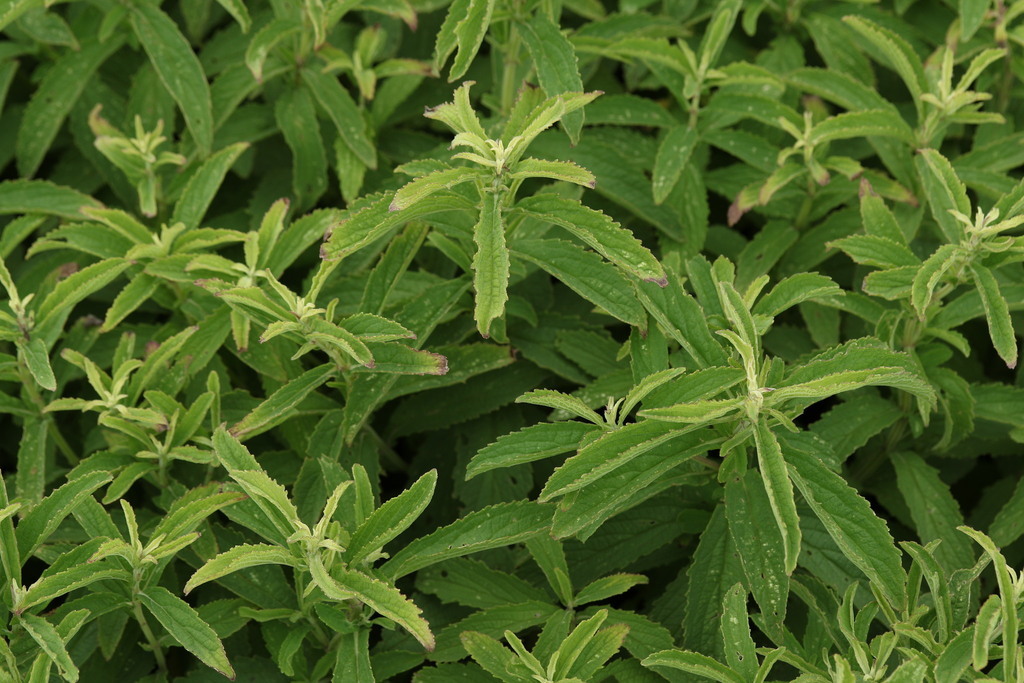
Coleus kirkii is a robust, upright perennial shrub reaching 1.5 – 2 m, with narrowly lanceolate, irregularly toothed leaves.
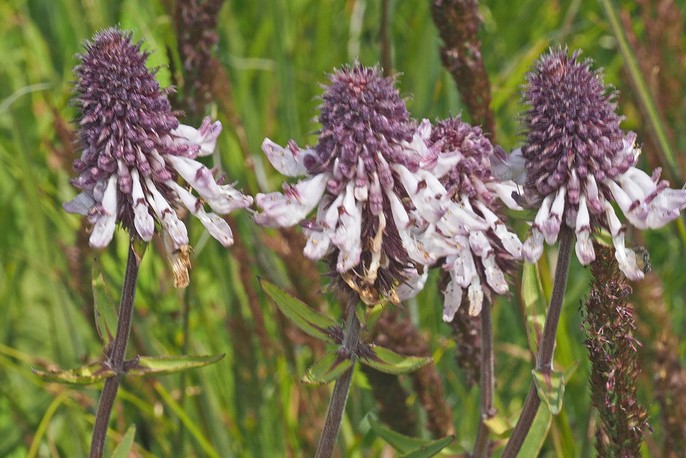
It produces dense, spiky inflorescences of pale blue and mauve flowers in late summer to autumn. The calyx forms five spike-like lobes, giving the flower spikes a prickly appearance.
The plant is adapted to moist, swampy grasslands and is tolerant of drought once established.
It is frost-tender but can survive short cold snaps.
Plant Details
Height
1.5 - 2 m
Thorns
None
Soil
Prefers fertile, well-drained loam but tolerates a range of soils
Grows well with other grassland and moisture-loving species. Suitable for mixed borders.
Caterpillars
Larval host for Marsh Commodore butterfly (Precis ceryne).
Associations
Descriptions
Pollinators: The flowers are visited by a range of pollinators including a range of bees and butterflies. It provides nectar for pollinators and supports invertebrate diversity in grassland habitats.
Caterpillars: Some literature suggests caterpillars of the Marsh Commodore butterfly (Precis ceryne) have been found feeding on the plant. If you find these caterpillars on the plant, please rear them and submit the evidence via the iNaturalist Caterpillar Rearing Group project.
Food: Herbarium specimens show the plant is heavily eaten, but there is no indication of what is eating the leaves.
Flowers and fruits
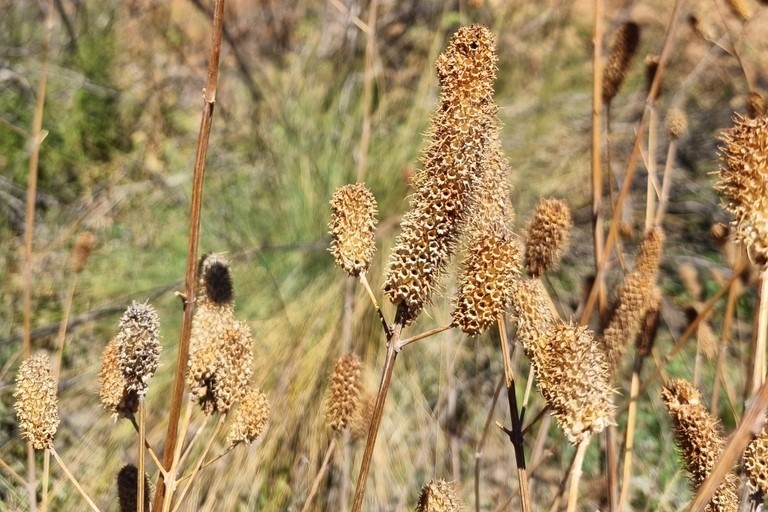
Dense, spiky inflorescences of pale blue and mauve flowers in late summer to autumn. Pollinated mainly by bees and butterflies. Seeds are small, ovoid nutlets.
Birds
Indirectly supports insectivorous birds by attracting pollinators and other insects.
By Seeds:
Collect seeds that are usually mature by autumn.
Store dried seeds, then sow in spring or early summer. Sow directly into beds or trays and transplant later.
Seeds germinate readily in moist, well-drained soil.
By Cuttings:
Heel or tip cuttings taken in spring or early summer root easily.
Traditional Uses
Traditional medicinal uses: Root infusions used as a traditional mouthwash for toothpain (tooth associated nerve pain).
No confirmed use in livestock farming or other traditional uses.
Landscaping Value: Provides contrasting two-tone foliage and autumn blooms, ideal for mixed and naturalistic designs.
Ecological restoration: Useful for grassland restoration near wetlands.