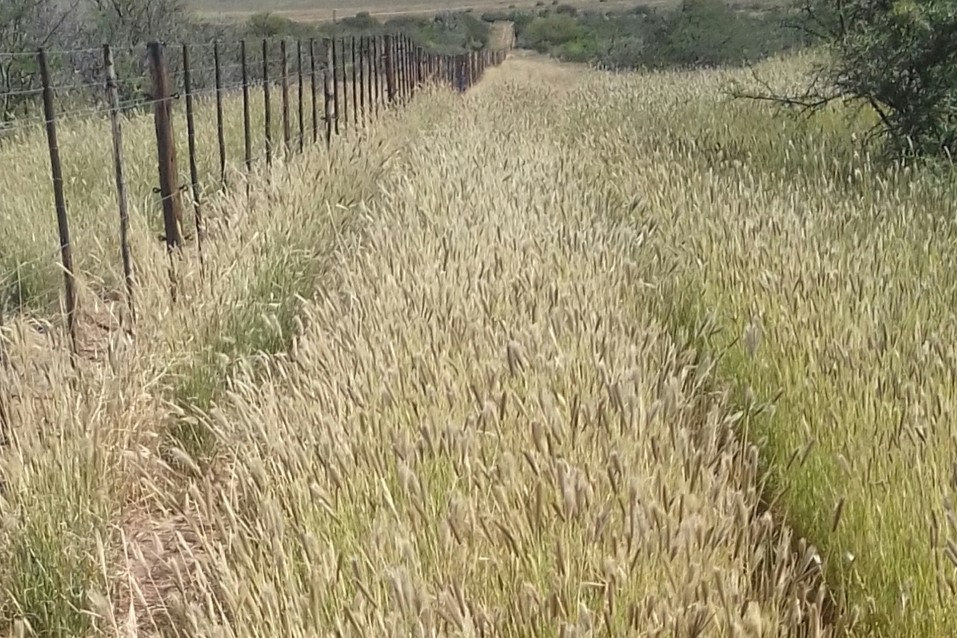
Annual, tufted grass, 30 – 100 cm tall, with slender, erect stems and narrow, flat leaves.
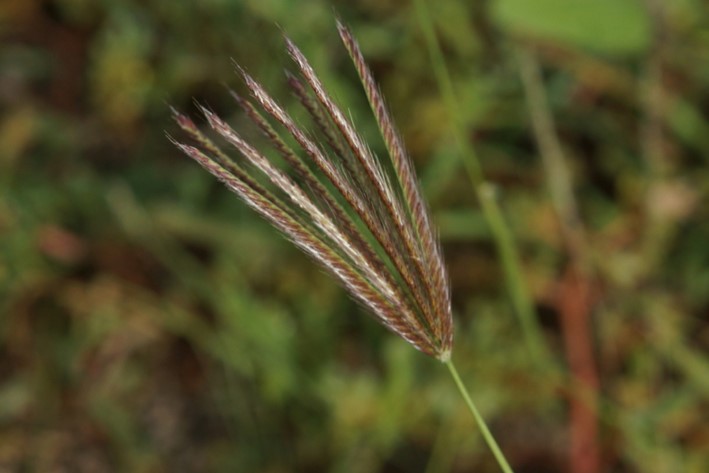
Inflorescence is a loose, open panicle with 4 – 20 finger-like branches, each with numerous tiny spikelets, giving a feathery appearance. Flowers and sets seed in summer.
Common pioneer species in disturbed soils, roadsides, and open grassland.
Useful for soil stabilization and as a pioneer in restoration.
Plant Details
Height
30 - 100 cm
Thorns
Absent
Soil
Adaptable; sandy, loamy, or clay soils, often disturbed or compacted
Other pioneer grasses (e.g., Cynodon dactylon, Eragrostis spp.), forbs of disturbed areas
Caterpillars
Moth: Decachorda aspersa
Associations
Descriptions
Insects: Provides habitat and food for grasshoppers, beetles, and other insects. Wildlife: Seeds eaten by granivorous birds; grazed by livestock and wild herbivores. Soil: Pioneer species, improves soil structure, prevents erosion. Ecosystem Services: Soil stabilization, rapid colonization of bare ground.
Flowers and fruits
Feathery inflorescences produce abundant seeds, wind-dispersed; seeds eaten by birds and rodents.
Birds
Seeds are a food source for finches, sparrows, and other granivorous birds.
By Seeds:
Collect mature seed heads, sow directly on disturbed soil in spring/summer; germinates readily within 1 – 2 weeks.
By Cuttings:
Traditional Uses
Not widely used; sometimes grazed by livestock, used in erosion control.