Calpurnia aurea

Calpurnia aurea (Aiton) Benth.

Common Calpurnia, Wild Laburnum, Natal Laburnum, Cape Laburnum

Afr

Geelkeurboom, Geelkeur, Natalse Geelkeur

isiZulu

umKhiphampethu, inSiphane-enkulu, umHlahlambedu, umLalandlovana

IsiXhosa

inDloli, umSitshana

Description

Family:

Fabaceae

Order:

Fabales

Description

Small deciduous tree or large shrub with spreading crown.

Leaves pinnate with 7 – 13 leaflets, bright green.

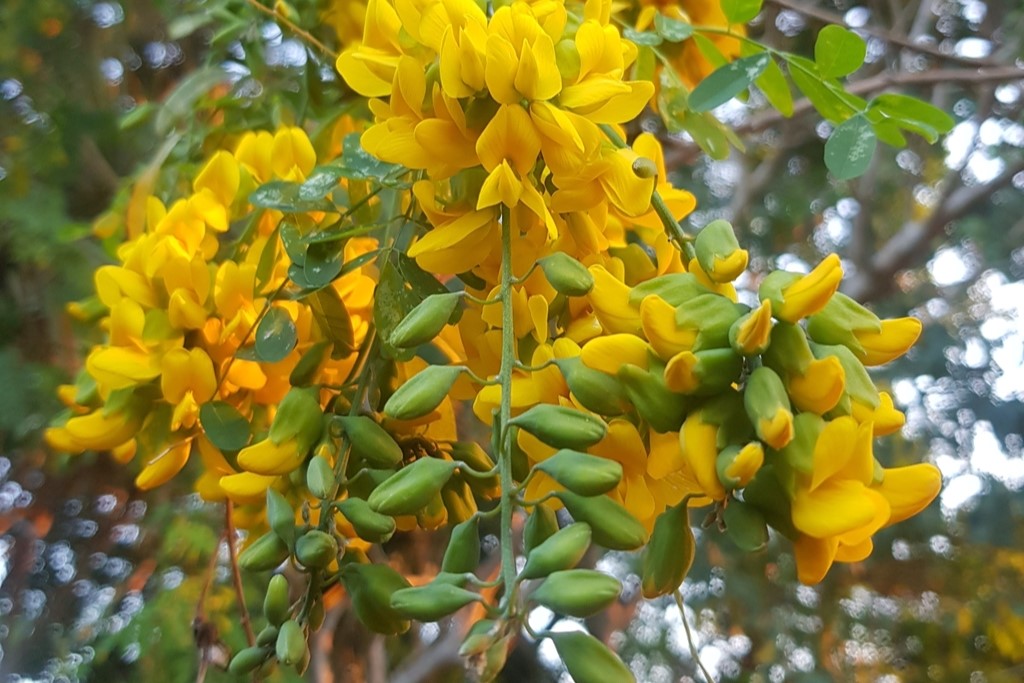
Flowers bright yellow, pea-shaped, in racemes during spring and summer.

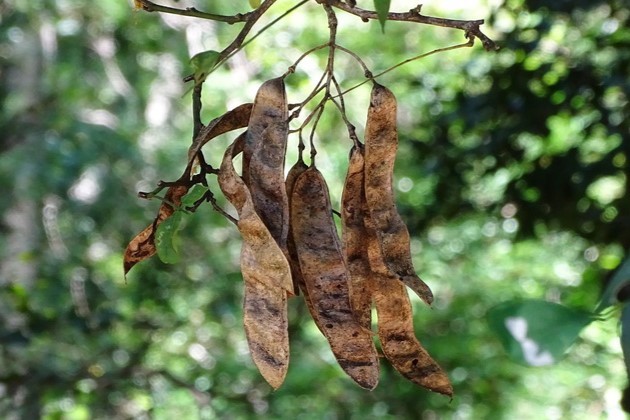
Fruits are flat pods.

Important for nitrogen fixation and wildlife.

Plant Details

Height

3 - 6 m

Thorns

Absent

Soil

Well-drained sandy or loamy soils

Moderate

Growth Rate

3 - 6 m

Size

30 - 50 years

Lifespan

Flower Colour

Flowering Season

, , , ,

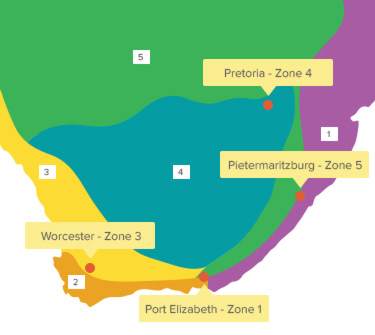
Horticultural Zones

Neutral to slightly acidic

pH

Well-drained sandy or loamy soils

Soil

Full sun to partial shade

Aspect

Moderate

Frost Tolerance

Moderate

Drought Resistance

Link to PlantzAfrica.co.za

Distribution

, , , ,

Companion Plants

Often found with Acacia, Combretum, and Terminalia species.

Caterpillars

Moths: Achaea indeterminata, Achaea sordida, Euproctis punctifera, and Cleora munda.

Associations

Descriptions

Insects: Flowers attract bees, especially the large megachilds and carpenter bees, butterflies, and other nectar-feeding insects.

Wildlife: Pods eaten by birds and mammals. Predatory insects, such as mantids, and other insectivorous animals, like chameleons, feed on insects attracted to the flowers.

Provides shelter.

Soils: Fixes nitrogen.


Flowers and fruits

Bright yellow flowers attract larger pollinators, such as the larger megachilid bees and carpenter bees that are heavy enough to push the keel of the flower down to be able to get to the nectaries.

Pods are eaten by animals, which disperse the seeds.

Birds

Nectar source for sunbirds. Shelter and food for frugivorous birds.

By Seeds:

Allow pods to mature on the tree. When brown, collect pods just before they open. Remove seeds from the pods and store them dry.

Scarify seeds before sowing. High rates of germination can be expected.

By Cuttings:

Semi-hardwood cuttings root moderately well. Use hardwood rooting hormone to increase rooting rates.

Traditional Uses

Traditional medicinal use: Used for skin ailments and respiratory problems

Uses: Wood used for fuel and for making tools.

Plant Details

Height

Description

Thorns

Description

Leaves

Description

Size

Growth Form

Size

Size

Size

Lifespan

Size

Flower Colour

Size

Flowering Season

Size

Horticultural Zones

Size

pH

Size

Soil

Size

Aspect

Size

Frost Tolerance

Size

Drought Resistance

Description

DESCRIPTION

Height

DESCRIPTION

Leaves

DESCRIPTION

Thorns

DESCRIPTION

BSS

Ecoscore

Host plant Nectar Grazing

Link to PlantzAfrica.co.za

View

Distribution

Companion Plants

Description

Caterpillars

Associations

Leaves

Leaves

Flowers and fruits

Leaves

Birds

Leaves

Mammals

Leaves

By Seeds:

Leaves

By Cuttings:

Leaves

Traditional Uses

traditional uses