Burkea africana

Burkea africana Hook.

Wild Seringa

Afr

Wildesering

isiZulu

IsiXhosa

Description

Family:

Fabaceae

Order:

Fabales

Description

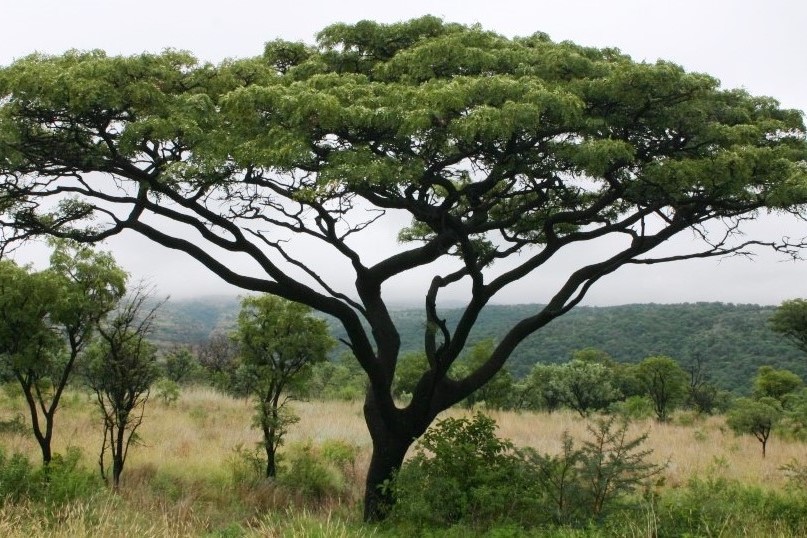
Medium to large deciduous tree with a spreading crown.

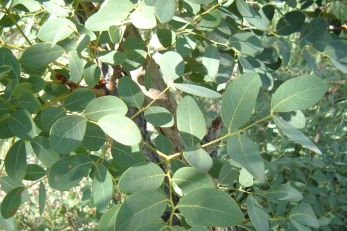
Leaves bipinnate, fern-like, bright green.

Flowers fragrant, creamy white, in large pendulous racemes in late summer. Visually striking when in bloom.

Valued for nectar, timber, and ecological role.

Plant Details

Height

8 - 15 m

Thorns

Absent

Soil

Prefers well-drained sandy or loamy soils; tolerates poor soils.

Moderate

Growth Rate

8 - 15 m

Size

50 - 70 years

Lifespan

Flower Colour

Flowering Season

,

Horticultural Zones

Slightly acidic to neutral (5.5 - 7)

pH

Prefers well-drained sandy or loamy soils; tolerates poor soils.

Soil

Full sun to light shade

Aspect

Moderate

Frost Tolerance

Moderate

Drought Resistance

Companion Plants

Commonly found with Combretum spp., Acacia spp., and Terminalia spp.

Caterpillars

Moths: Euproctis bicolor, Knappetra fasciata stellata, Sphingomorpha chlorea, Polyhymno erratica, Gonometa postica, Pachypasa auriflua, Cirina forda, Gonimbrasia belina, Gynanisa maja, Rohaniella pygmaea, Polyptychoides grayii. Butterflies: Cyclyrius Pirithous (Common Zebra Blue), Aphnaeus erikssoni (Eriksson's Highflier), Aphnaeus hutchinsonii (Silver-spotted Highflier), Deudorix dinochares (Apricot Playboy), Charaxes jasius (Foxy Emperor)

Associations

Descriptions

Important nectar source for bees and butterflies. Supports diverse insect fauna.

Fruits and seeds feed birds and small mammals.

Provides shelter for reptiles and small mammals.

Leaves browsed by antelope species.

Enhances soil fertility through leaf litter.

Flowers and fruits

Large, fragrant flowers attract bees, butterflies, and other pollinators.

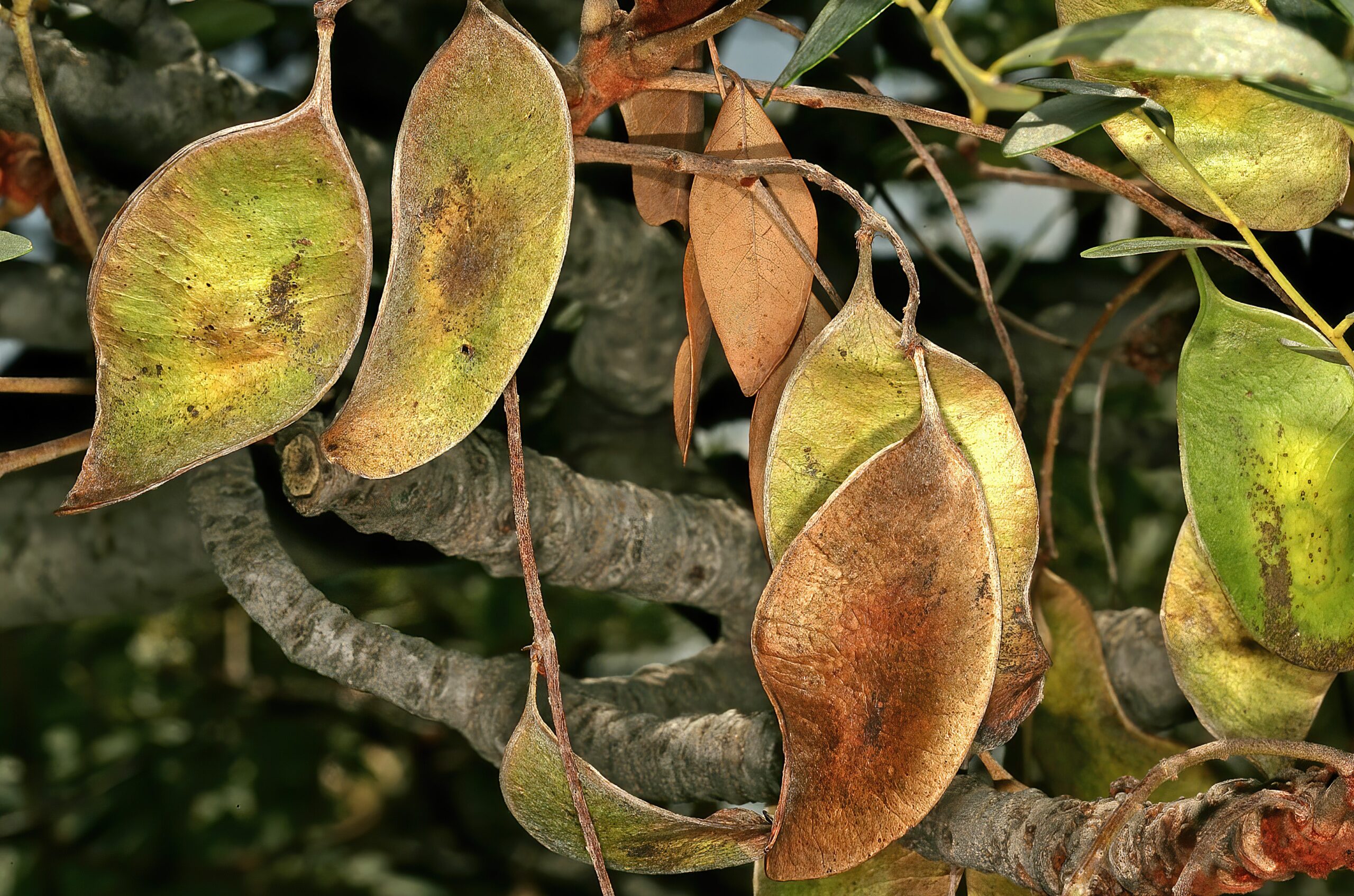
Fruits are flat pods eaten by birds and rodents.

Seed dispersal mainly by animals.

Birds

Nectar attracts sunbirds and other pollinators.

Seeds eaten by finches and weavers. Dense canopy offers nesting sites.

By Seeds:

Collect seeds from mature pods in late summer. Scarify seeds and soak in warm water for 24 hours before sowing.

Sow fresh for best germination.

By Cuttings:

Difficult, with very low chance of success
Try young shoots. Use semi-hardwood cuttings with rooting hormone.
Maintain high humidity.

Traditional Uses

Traditional Uses: The bark of Burkea africana is traditionally used for tanning leather, while its gum is occasionally consumed. The tree’s hard, insect-resistant timber is valued for furniture and construction.

Medicinal Uses: Decoctions of bark are used to treat fevers, coughs, pneumonia, and skin conditions.

Livestock: Its leaves serve as fodder for livestock.

Soils: As a nitrogen-fixing species, it improves soil fertility in degraded landscapes.

Plant Details

Height

Description

Thorns

Description

Leaves

Description

Size

Growth Form

Size

Size

Size

Lifespan

Size

Flower Colour

Size

Flowering Season

Size

Horticultural Zones

Size

pH

Size

Soil

Size

Aspect

Size

Frost Tolerance

Size

Drought Resistance

Description

DESCRIPTION

Height

DESCRIPTION

Leaves

DESCRIPTION

Thorns

DESCRIPTION

BSS

Ecoscore

Host plant Nectar Grazing

Link to PlantzAfrica.co.za

View

Distribution

Companion Plants

Description

Caterpillars

Associations

Leaves

Leaves

Flowers and fruits

Leaves

Birds

Leaves

Mammals

Leaves

By Seeds:

Leaves

By Cuttings:

Leaves

Traditional Uses

traditional uses