Vachellia karroo

Vachellia karroo (Hayne) Banfi & Galasso

Sweet Thorn

Afr

Soetdoring

isiZulu

umuNga

IsiXhosa

umuNga

Description

Family:

Fabaceae

Order:

Fabales

Description

Known by most as Acacia karroo, this beautiful tree is among the most ecologically valuable in Southern Africa.

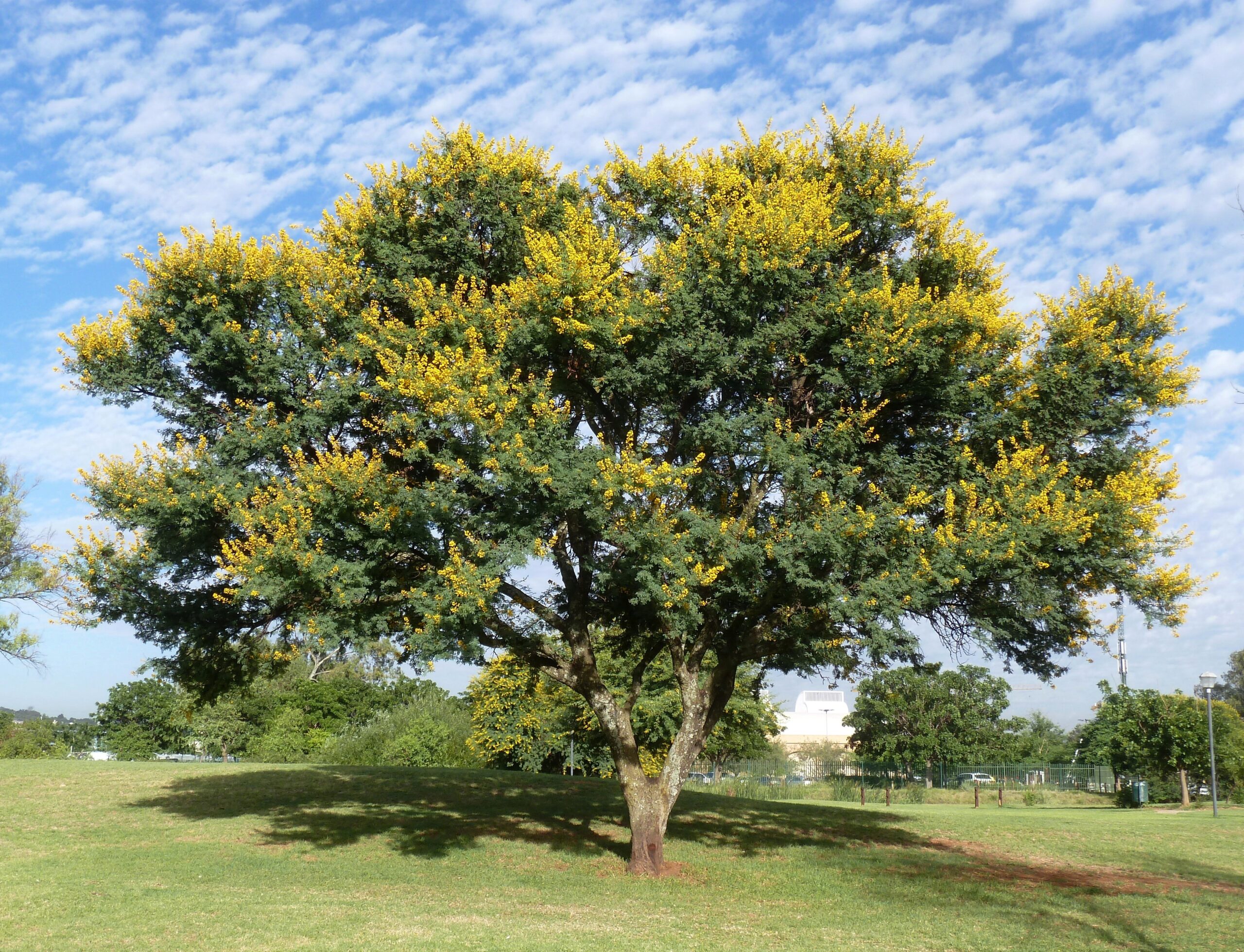
It is a deciduous shrub or small tree that typically grows up to about  3 to 5 meters tall. It features a bushy crown with dense foliage and has distinctive feathery, compound leaves that are bright green.

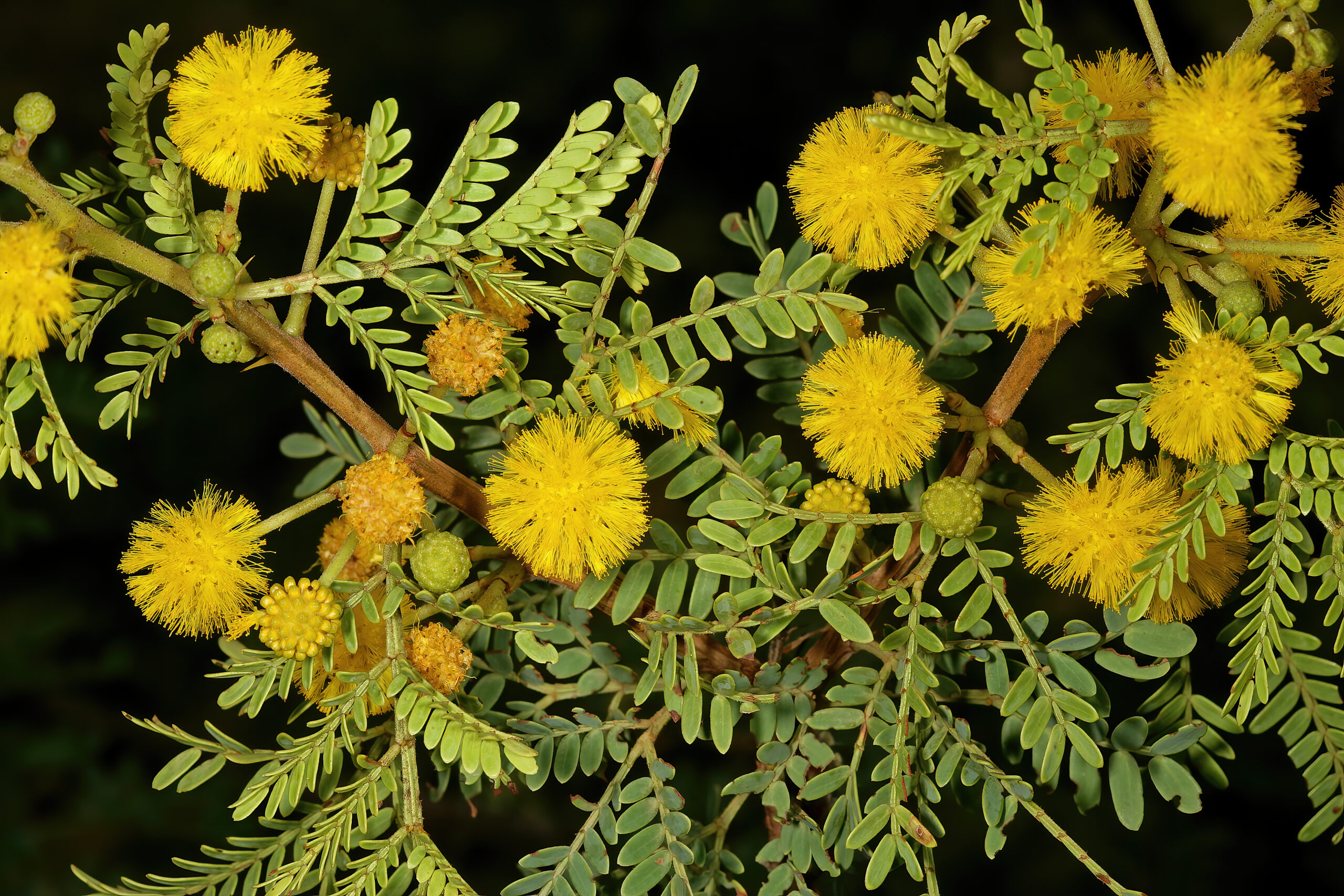
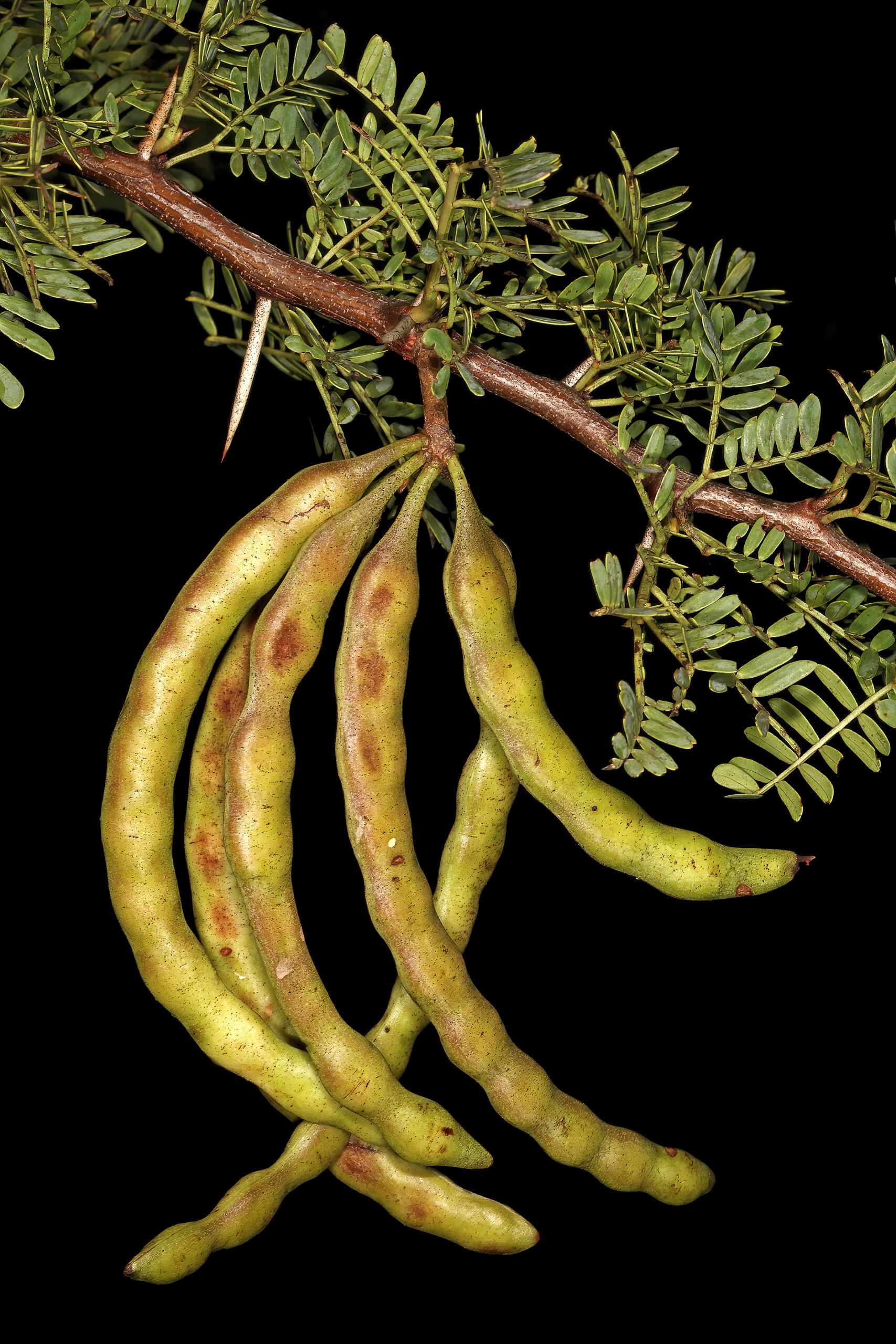
Its striking, small, ball-shaped golden-yellow blossoms in early summer make it a visual landmark in the landscape in early summer, followed by flat, curved pods containing seeds.

It supports more biodiversity than any other tree, including caterpillars and a host of ecologically important insects, while providing shelter, food, and other benefits to a wide range of species.

It is also a valuable tree for gardeners as it provides excellent shade and is drought-resistant, making it suitable for arid landscapes.

Ecologically, it plays a crucial role in stabilizing soil and providing habitat for a range of wildlife.

Plant Details

Height

3 - 5 meters

Thorns

Paired sharp white thorns, 5 - 10 cm long, on branch nodes

Soil

Prefers sandy to loamy soils; adaptable to poor soils

Moderate

Growth Rate

3 - 5 meters

Size

20 - 30 years

Lifespan

Flower Colour

Flowering Season

, , , ,

Horticultural Zones

6.0 - 8.0

pH

Prefers sandy to loamy soils; adaptable to poor soils

Soil

Full sun

Aspect

High, can tolerate temperatures way below freezing

Frost Tolerance

High; well-adapted to arid conditions

Drought Resistance

Companion Plants

Good associations, filling a different niche, flowering or seeding at different times - but thrive in same biome and habitat

Caterpillars

Anthene amarah (Black-striped Hairtail), Anthene definita (Grey Hairtail), Anthene otacilia (Black-tipped Hairtail), Anthene talboti (Notched Hairtail), Axiocerses tjoane (Southern Scarlet), Azanus moriqua (Black-bordered Babul Blue), Azanus natalensis (Natal Babul Blue), Azanus ubaldus (Velvet-spotted Babul Blue), Chrysoritis chrysaor (Burnished Golden Opal), Crudaria leroma (Silver-spotted Grey), Deudorix antalus (Brown Playboy), Uranothauma nubifer (Black Heart), Achaea lienardi, Anadiasa affinis, Anadiasa punctifascia Anadiasa swierstrae Anarsia gravata Anarsia nimbosa Anatrachyntis tripola Anthene definita definita Ascalenia pulverata Atractoceros sp. Beralade perobliqua Braura truncata Bucculatrix sp. Carposinidae sp. Ceutholopha isidis Characoma submediana Charaxes zoolina Charaxes zoolina Chiasmia brongusaria Chiasmia inaequilinea Chiasmia interrupta Chiasmia observata Chiasmia semispurcata Chiasmia suriens Chiasmia turbulentata Chiasmia umbrata Chlorerythra rubriplaga Chloroclystis muscosa tumefacta Chlorocoma clopia Chlorocoma eucela Cleora flavivenata Cleora nigrisparsalis Cleora tulbaghata Coenobasis amoena Colocleora divisaria Colocleora simulatrix Comibaena coryphata Comibaena leucospilata Cortyta canescens Cossus terebroides Cryptoblabes gnidiella Cryptophlebia leucotreta Cryptophlebia peltastica Ctenusa varians Cuneisigna obstans Cydia afrospila Cydia victrix Deudorix dinochares Earias biplaga Ectomyelois ceratoniae Encolpotis xanthoria Erebinae 1 Eublemma gayneri Eublemma nigrivitta Eucosma calculosa Eudasychira georgiana Eupithecia gradatilinea Euproctis iridescens Eutricha capensis Eutricha fulvida Eutricha obscura Euzophera cullinanensis Euzophera sp. Gelechiidae sp. Gonimbrasia tyrrhea Gonometa postica Gynanisa maja Heniocha apollonia Heniocha dyops Heterostegane aridata Hippotion celerio Homaea cortytoides Isturgia deerraria Isturgia geminata Isturgia spissata Knappetra fasciata stellata Laelia clarki Laelia municipalis Laelia swinnyi Ligdia interrupta Lobesia incultana Lobesia stericta Lophostola atridisca Lymantriades xanthosoma Macrocossus toluminus Meganola nigristriga Odontocheilopteryx myxa Omphacodes delicata Omphacodes punctilineata Omphalucha maturnaria Pachypasa obscura Pandesma muricolor Pandesma robusta Parapluda invitabilis Pardasena virgulana Pareclectis hobohmi Pericyma mendax Philotherma rosa Phycitinae sp. Porthesia aethiopica Prasinocyma immaculata Prasinocyma sp. Proconis abrostoloides Ptyonocera atrifusella Sarmatia interitalis Schiffermuelleria pedicata Sena prompta Sena sp. Sphingomorpha chlorea Stenostaura mus Streblote carinata Syndromodes cellulata Syndromodes invenusta Teracotona submacula Thyretes caffra Trachypteryx magella Trachypteryx rubripictella Traminda neptunaria, Traminda obversata, Traminda ocellata, Traminda vividaria, Ulotrichopus catocala, Ulotrichopus glaucescens, Ulotrichopus primulina, Ulotrichopus variegata, Zamarada erugata, Zamarada ilma, Zamarada metallicata, Zamarada pulverosa

Associations

Descriptions

Vachelia karroo (Acacia Karoo) is a versatile thorn tree that supports more wildlife than any other plant in Southern Africa.

Insects: Around 160 species of butterflies and moth caterpillars feed on its foliage. Beetle larvae bore into its wood, creating tunnels later occupied by tunnel-nesting insects such as megachilid bees.

Wildlife: The gum exuded from the bark is consumed by various mammals, including monkeys and antelope. Wildlife: The tree’s dense canopy and thorny branches also provide shelter and nesting cover for mammals seeking protection from predators or harsh weather.

Primates: Galagos (bushbabies) feed on the gum and the rich insect life, particularly night-flying moths supported by the tree. Monkeys and baboons consume the flowers, gum, pods, and young leaves.

Large mammals: kudu, impala, eland, giraffe, nyala, and bushbuck browse on the leaves, flowers, and young shoots. Elephants may strip bark and break branches to access foliage and pods. Small mammals feed on fallen pods and seeds, particularly during dry seasons.

Domestic animals including cattle, goats, and sheep browse on the leaves and pods, which are highly palatable and nutritious, often used as supplemental fodder in times of scarcity.

Other Flora: As the tree ages, it is often parasitized by mistletoes, which in turn sustain additional butterfly and moth species.

Soil: Like all members of the Fabaceae, it fixes nitrogen, enriching the surrounding soil and enhancing ecosystem productivity.

Ecosystem Services: Erosion control, habitat for wildlife, and restoration of degraded areas.

Flowers and fruits

These trees produce large numbers of sweet-smelling, bright yellow flowers that look like small balls and grow at the tips of branches. The flowers attract large numbers of pollinators, including a wide variety of bees, butterflies, wasps, and flies.

Seed dispersal is primarily facilitated by mammals, who consume the pods and later deposit the seeds via their dung. During digestion, the tough seed coats are naturally scarified—scratched and softened—enhancing their likelihood of successful germination when nestled in a nutrient-rich pile of manure.

Birds

Insectivorous birds like drongos, flycatchers, and woodpeckers hunt the insects that congregate around the tree, especially during flowering and pod-shedding seasons.

Hoepoes feed on beetle and bee larvae nesting in the burrows in the wood.

Weavers, sparrows, and many other birds use the tree for nesting and may feed on insects feeding on the leaves or that are attracted to the flowers.

By Seeds:

Seed Collection & Storage: Collect mature pods after they have turned brown and dried on the tree. Remove seeds from pods and store them in a cool, dry place. Seeds can remain viable for several years if stored properly.

Breaking Dormancy & Germination: The seeds have a hard coat that prevents premature germination and protects them from harsh environmental conditions, which is why the seeds typically germinate after a fire, or after having travelled through the digestive season of a large mammal.

To break dormancy, use one of the following methods:

1. Mechanical Scarification – Rub seeds with sandpaper or nick them with a sharp blade to weaken the coat.

2. Boiling Water Treatment – Pour boiling water over seeds, let them soak for 12 – 24 hours, then plant.

3. Sulfuric Acid Treatment – For large-scale propagation, soak seeds in concentrated sulfuric acid for 15 – 45 minutes, then rinse thoroughly. Once treated, plant seeds in well-draining soil, keep them moist but not waterlogged, and provide warm temperatures for optimal germination.

By Cuttings:

Propagation by Cuttings: Vachelia karroo can be propagated from semi-hardwood cuttings, but it is moderately difficult compared to seed propagation.

Take healthy, mature cuttings (10 – 15 cm long) from the current season’s growth. Dip the cut ends in hard-wood rooting hormone to encourage root development.

Plant in well-draining soil, keep moist, and provide indirect sunlight.

Cover with a clear plastic bag to maintain humidity and improve success rates.

Once new growth appears on the cuttings, transfer to a well-draining potting mix.

Traditional Uses

Historical Uses: Its thorns were used as needles for stitching leather, while its hardwood was used for making tools, fence posts construction, and wagon parts.

The tree’s presence indicates underground water sources, helping pioneers find underground water.

Medicinal Uses: The tea made from boiling bark was used to treat diarrhoea, dysentery, and fevers. Its gum was applied to wounds and burns.

Cultural Significance: Used in traditional medicine and rituals.

Livestock & Fodder: Its protein-rich pods are stored as winter fodder for livestock, and its flowers and gum sustain a wide range of wildlife, including pollinators, primates, and ungulates.
Its protein-rich pods are highly palatable and nutritious, browsed by cattle, goats, and sheep, and used as supplemental fodder in times of scarcity.
Generally safe for livestock.

Ecological Restoration: It plays a key role in ecological restoration, enriching soil through nitrogen fixation and acting as a nurse plant for other species.

Plant Details

Height

Description

Thorns

Description

Leaves

Description

Size

Growth Form

Size

Size

Size

Lifespan

Size

Flower Colour

Size

Flowering Season

Size

Horticultural Zones

Size

pH

Size

Soil

Size

Aspect

Size

Frost Tolerance

Size

Drought Resistance

Description

DESCRIPTION

Height

DESCRIPTION

Leaves

DESCRIPTION

Thorns

DESCRIPTION

BSS

Ecoscore

Host plant Nectar Grazing

Link to PlantzAfrica.co.za

View

Distribution

Companion Plants

Description

Caterpillars

Associations

Leaves

Leaves

Flowers and fruits

Leaves

Birds

Leaves

Mammals

Leaves

By Seeds:

Leaves

By Cuttings:

Leaves

Traditional Uses

traditional uses